

Philippines cockfighting is one of the nation’s oldest traditional sports, blending heritage with structure and discipline. PH8 presents this art form through regulated arenas, certified referees, and high‑quality training systems. Every fight embodies skill, balance, and the proud Filipino spirit.
Historical origins of Philippines cockfighting
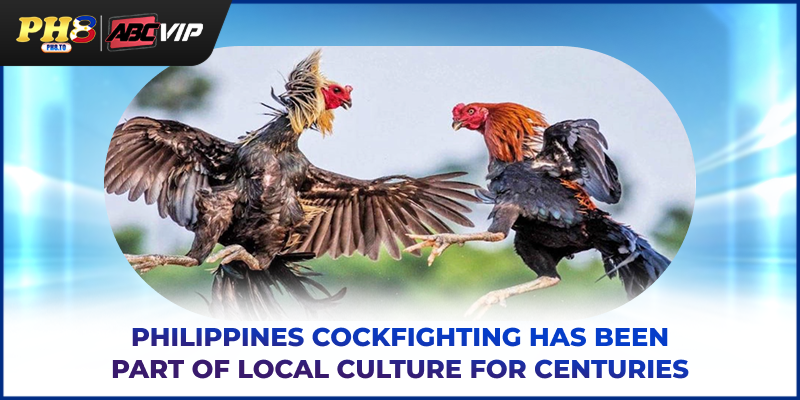
Philippines cockfighting has been part of local culture for centuries, originating long before colonial times. Native tribes raised and trained roosters for contests showcasing courage and precision. Over generations, the practice evolved from community rituals into a fully organized sport that remains deeply woven into the social fabric.
Today, Philippines cockfighting has grown into an officially recognized entertainment industry. Licensed arenas operate under state supervision, generating economic activity and preserving cultural identity. PH8 continues this tradition by transforming live in‑person matches into fully digital experiences through HD broadcasting and real‑time analytics. This transformation has made cockfighting both a celebration of heritage and a modern competitive platform, maintaining respect for tradition while emphasizing fairness and professionalism.
Distinctive traits of Philippines cockfighting
Unlike other regional formats, Philippines cockfighting involves mounted blades or round gaffs, increasing the precision and dynamics of combat. These tools require handlers to prepare their roosters with agility over mere brute force.
Matches progress quickly-often decided within minutes-requiring both trainers and bettors to analyze every move closely. The combination of speed and intellect makes the sport not just entertainment but also a demonstration of refined animal training techniques.
Every approved arena must follow governmental safety standards, maintain supervision, and keep official documentation of results. This alignment between tradition and regulation supports the sustainable growth of cockfighting as part of the country’s cultural ecosystem.
Rules and organization in Philippines cockfighting
Matches in Philippines cockfighting follow specific tournament guidelines to ensure equality among competitors. Each rooster is examined for health, weight, and origin before entering the ring. Strict authentication processes prevent mismatches and preserve the credibility of organizers like PH8.
Fights are normally conducted through elimination rounds. Pairs are drawn randomly, and winners advance through the bracket until the champion emerges. This structure brings rhythm and balance, giving every rooster equal opportunity to demonstrate skill and endurance.
The weight limit between paired roosters must not exceed 100 grams (0.22 lb). Any bird surpassing that threshold is moved to a different category. Each fight lasts roughly five to ten minutes, depending on intensity and stamina. If no decisive outcome arises, referees calculate the number of effective strikes to determine victory.
| Match element | Official regulation | Purpose |
| Weight difference | ≤ 100 grams | Maintain strength balance |
| Match duration | 5-10 minutes | Preserve pace and focus |
| Scoring system | Based on total effective hits | Ensure fairness and clarity |
This transparent scoring and timing structure demonstrates the professionalism that defines Philippines cockfighting, securing spectator trust and guaranteeing ethical outcomes.
Popular betting types in Thomo cockfighting
Beyond the intense pace and strategic action of Thomo cockfighting, many enthusiasts are equally interested in the available betting options. Below are the most common wager types that participants often engage with during official matches:
Meron
For seasoned followers of Thomo cockfighting, the Meron bet is undoubtedly familiar. This type of wager refers to supporting the rooster positioned as the stronger contender in the match. Typically, these top‑ranked fighters demonstrate superior physical form, proven track records, and well‑refined fighting techniques.
Choosing the Meron bet often provides a higher winning probability, making it a suitable option for players seeking safer, more stable outcomes. Because Meron roosters are generally favored, the odds tend to offer lower payouts, but the reliability of victory makes this type a consistent choice among experienced bettors. Transitioning from Meron, some players prefer to test their analytical ability by backing the underdog – that’s where the Wala wager comes into play.

Wala
In contrast, the Wala bet within Thomo cockfighting designates the rooster considered the weaker or disadvantaged competitor. Although these fighters may not possess outstanding records or dominant physical attributes, the nature of cockfighting often holds unexpected outcomes.
It’s not unusual for a seemingly smaller or lighter rooster to outmaneuver its rival with clever movements, quick reflexes, and unpredictable attack angles. These surprising reversals make Wala wagering riskier but significantly more rewarding, as its payout rates are typically higher than those for Meron.
For players who enjoy calculated risk and excitement, Wala offers a chance to win big while relying on strategic observation instead of popular opinion.
Draw
Finally, the Draw bet is reserved for those who, after careful analysis, believe that the two roosters entering a Thomo cockfighting match are evenly matched in ability and condition. This betting type reflects a prediction that neither bird will clearly dominate the other.
However, Draw wagers are rare and inherently risky. In most official Thomo matches, both roosters fight fiercely and relentlessly until one can no longer continue. Because the sport involves immense determination and physical intensity, ties are uncommon occurrences.
While betting on a Draw might yield a generous payout if successful, few players take this path due to its low probability. Still, it remains an option for those who trust their instincts and statistical insight when analyzing competition balance.
Famous gamefowl breeds in the Philippines
Breeding remains an essential part of Philippines cockfighting, influencing both style and performance. Each breed carries unique attributes that determine how it approaches battle:
- Asil: Known for endurance and resilience, often excels in long exchanges.
- Hatch: Recognized for aggressive style and powerful leg strikes.
- Sweater: Valued for versatility and intelligent movement.
- Roundhead: A balanced breed admired for courage and adaptability.
Selecting the right lineage forms the foundation of success. Breeders in PH8 labs combine scientific feed control with genetic monitoring to retain strong, agile, and durable roosters fit for official tournaments. By understanding breed characteristics, handlers can design tailored training regimens that maximize potential while keeping roosters healthy and alert.
Secrets to choosing and training Philippine fighting cocks
Selecting and training Philippine fighting cocks is an art, requiring understanding, experience and passion. Below are important secrets to help you create strong and brave fighting cocks:
Techniques for selecting and training roosters
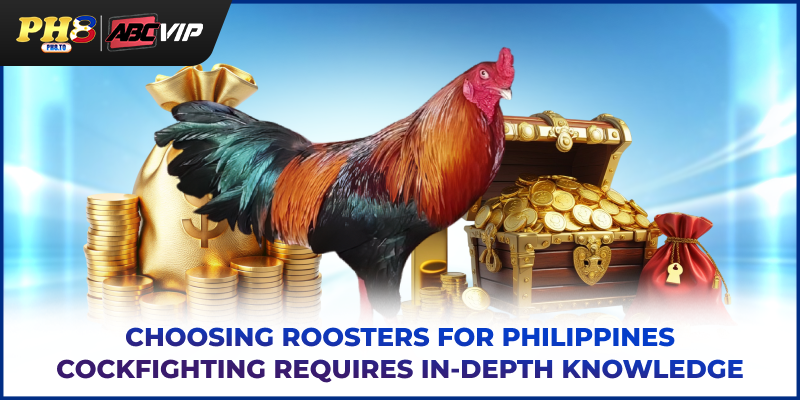
Choosing roosters for Philippines cockfighting requires sharp observation and in‑depth knowledge. Trainers examine each bird’s body shape, skin tone, and reflexes before acceptance into the program. Birds should have strong legs, clean feathers, bright eyes, and balanced posture.
Ideal fighters exhibit bravery and responsiveness rather than uncontrolled aggression. Experienced handlers track familial performance lines, preferring offspring with proven match success to improve predictability.
Once selected, the rooster enters a training cycle of gradual conditioning. Exercises include sprinting, short fly drills, and reflex sharpening routines. This improves stamina and balance, ensuring readiness for tournaments held under PH8’s regulatory framework.
The role of nutrition in performance
A thoughtful diet strongly influences success in Philippines cockfighting. Trainers prioritize high‑protein grains, vitamins, and trace minerals that enhance muscle tone and recovery rate. Supplements rich in amino acids boost tissue repair after sparring sessions.
Typical feeding cycles are adjusted to match training intensity, ensuring roosters receive energy for both conditioning and rest. Providing continuous access to clean water maintains hydration, which is vital for sharp coordination during matches.
Some experienced breeders incorporate fresh greens and small fruit portions into the diet to support digestion and maintain natural resilience. Nutrition, training, and rest together form the triad that defines successful competitive preparation.
Health and medical care
Maintaining top health is fundamental to every aspect of Philippines cockfighting. Roosters undergo routine check‑ups conducted by licensed veterinarians before being cleared for tournaments. Vaccinations and preventive measures minimize the risk of infections, ensuring fair conditions for all participants.
Early detection of fatigue or minor injuries helps prevent chronic issues. Trainers emphasize clean living environments, disinfected pens, and well‑ventilated spaces. These conditions reduce stress levels, allowing roosters to conserve energy for training and combat.
Through PH8’s strict regulation, hygiene and medical care are monitored continuously, building confidence among players and reinforcing the professional standing of the sport nationwide.
Conclusion
Philippines cockfighting stands as a disciplined and culturally significant sport that unites heritage, competition, and professionalism. Under PH8 structured system, it preserves tradition while embracing responsible modernization, ensuring that this national symbol continues to thrive across generations.
